Termite Treatment in Palm Beach County: Formosan, Drywood, and Subterranean Solutions
Formosan termites, drywood termites, and subterranean termites all threaten Palm Beach County homes. Learn about tenting, heat treatment, and Bora-Care options from Palm Beach County Pest Control.
Termite Treatment in Palm Beach County: What Every Homeowner Needs to Know
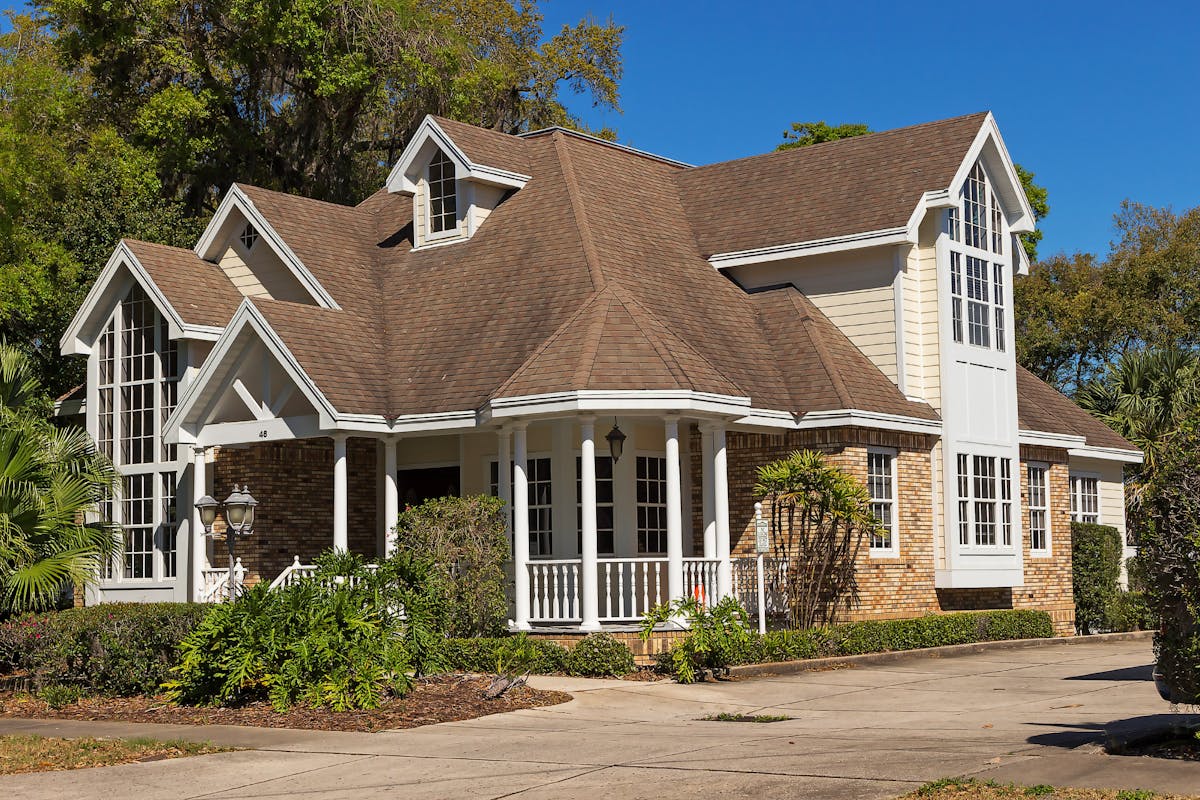
Palm Beach County sits in one of the most termite-intensive regions of the entire United States. The combination of subtropical heat, persistent humidity, abundant wood construction, and well-established invasive species makes termite protection not a luxury — it is a fundamental responsibility for every property owner here. Whether you own a historic bungalow in West Palm Beach, a newer construction in Boca Raton, or a mid-century concrete-block home in Lake Worth, termites pose a real and ongoing threat to your investment.
The Three Termite Threats in Palm Beach County
Formosan Subterranean Termites: The Formosan subterranean termite (Coptotermes formosanus) is often called the 'super termite,' and the nickname is earned. Introduced to South Florida decades ago, Formosan termites have firmly established themselves throughout Palm Beach County. What makes them so destructive is colony size: while a typical Eastern subterranean termite colony contains around 60,000 to 300,000 workers, a mature Formosan colony can contain several million. With that many workers feeding around the clock, the structural damage Formosan termites can cause in a single year dwarfs what other species produce over a decade. Formosan termites build large, moisture-retaining carton nests within wall voids, above-ground structures, and even within living trees. Older homes in West Palm Beach, Delray Beach, and Lake Worth — particularly those with wood window frames or crawl space construction — are extremely vulnerable.
Drywood Termites: West Indian drywood termites (Cryptotermes brevis) and Florida drywood termites (Incisitermes snyderi) are the two common drywood species in Palm Beach County. Unlike subterranean termites, drywood termites need no soil contact whatsoever. They live entirely within the wood they consume, entering structures through exposed wood surfaces, attic vents, and gaps in soffits. They are responsible for tremendous damage to Palm Beach County homes, particularly in Boca Raton neighborhoods with mature construction. They produce distinctive fecal pellets (frass) — small, six-sided, sand-colored pellets — that fall from infested wood and accumulate on surfaces below. Because drywood colonies live completely within wood with no external mud tubes or soil connection, they are much harder to detect than subterranean species, and infestations can progress for years before homeowners notice any structural symptoms.
Eastern Subterranean Termites: The Eastern subterranean termite (Reticulitermes flavipes) is the most widespread termite species in North America and is abundant throughout Palm Beach County. Eastern subterranean termites travel through pencil-thin mud tubes from the soil to wood food sources, and they swarm during late winter and spring — often triggering the first visible sign homeowners notice.
Treatment Options for Palm Beach County Homes
Structural Fumigation (Tenting): For severe drywood termite infestations — particularly when multiple structural members or rooms are affected — whole-structure fumigation remains the gold standard. The entire structure is sealed under a tent and filled with sulfuryl fluoride gas, which penetrates all wood members and eliminates the termite population. In Boca Raton and Palm Beach Gardens neighborhoods, tenting is a well-established practice. Homeowners and pets must vacate for two to three days.
Heat Treatment: Heat treatment is a non-chemical alternative for drywood termite infestations. The structure or affected areas are heated to temperatures above 120 degrees Fahrenheit — lethal to all life stages of termites. Heat penetrates wall cavities, roof spaces, and furniture that chemicals might not reach, with no chemical residue required. Heat treatment is increasingly popular in Palm Beach County, particularly for homeowners who prefer to avoid chemical fumigants.
Bora-Care and Borates: Bora-Care is a borate-based wood treatment that penetrates deep into wood, converting cellulose into a substance toxic to termites and wood-boring insects. Applied to exposed wood surfaces in attics, crawl spaces, and framing, Bora-Care is registered with FDACS (Florida Department of Agriculture and Consumer Services) and is a preferred treatment for new construction in termite-heavy zones like Palm Beach County. It is particularly effective as a preventive measure and for treating isolated infestations in accessible wood.
Liquid Termiticide Soil Treatments: For subterranean termites — including Formosan termites — liquid termiticide applied to the soil around your home's foundation creates a chemical barrier. Non-repellent products like Termidor (fipronil) are highly effective: termites pass through the treated zone without detecting it, carry the product back to the colony, and share it through normal social contact, eventually eliminating the entire colony.
Bait Station Systems: Underground bait stations installed around the home perimeter monitor for subterranean termite activity. When termites are detected, bait containing an insect growth regulator is introduced. Workers consume the bait, share it with the colony, and the growth regulator prevents molting, gradually collapsing the colony. Bait systems are particularly effective for Formosan termites and provide ongoing monitoring with minimal chemical footprint.
Why Palm Beach County Homes Are Especially Vulnerable
Older homes in historic districts of West Palm Beach, Boynton Beach, and Lantana often feature wood framing, wood windows, and pier-and-beam foundations that provide easy termite access. Boca Raton's mix of 1960s and 1970s CBS (concrete block stucco) construction with wood framing elements presents ongoing drywood termite risk. Even newer construction is not exempt — drywood termites enter through small openings during swarming season regardless of building age. All termite pest control in Florida requires a licensed pest control company holding a current FDACS operator and ID license. FDACS-licensed companies must maintain insurance and follow strict product application standards.
Protecting Your Home with Palm Beach County Pest Control
Call Palm Beach County Pest Control at (561) 612-4833 for a comprehensive termite inspection of your Palm Beach County home. We will identify active infestations, evaluate your risk level, and recommend the right treatment strategy — whether that is tenting, heat treatment, Bora-Care, liquid barrier treatment, or a combination approach. Our FDACS-licensed technicians serve West Palm Beach, Boca Raton, Delray Beach, Boynton Beach, Lake Worth, and all of Palm Beach County.
Signs of Termite Activity to Watch For
- Mud tubes on foundation walls, in crawl spaces, on plumbing pipes, or along exterior walls
- Discarded wings near windows, doors, or on the ground near your foundation after a swarm
- Hollow-sounding wood when you tap on baseboards, door frames, or structural beams
- Frass — small, wood-colored pellets — found beneath infested wood (particularly from drywood termites)
- Sagging floors, stuck doors, or blistering paint on wood surfaces
- Visible swarmers emerging from soil, walls, or foundation cracks during warm, humid days
Any of these signs warrants an immediate professional inspection. Do not wait — termite damage accelerates rapidly once an established colony is actively feeding on your structure.
Frequently Asked Questions
How do I know if I have Formosan termites vs. Eastern subterranean termites?
A professional inspection with species identification is the only reliable way to differentiate. Formosan termite swarmers are slightly larger and more yellowish-brown than Eastern subterranean swarmers. If you suspect termite activity, call (561) 612-4833 for a professional identification and inspection.
Is tenting required for subterranean termites?
No. Tenting is specifically for drywood termite infestations. Subterranean termites — including Formosans — are treated with liquid soil termiticides or bait station systems that target the underground colony.
How long does Bora-Care protection last?
When properly applied to wood, Bora-Care's borate compounds bind to the wood fibers and remain effective for the life of the treated wood. It does not break down over time the way liquid soil treatments can.
Do I need annual termite inspections in Palm Beach County?
Absolutely. Florida's termite pressure is among the highest in the nation, and annual professional inspections are the only reliable way to catch infestations before they cause significant structural damage.
What is the difference between a WDO inspection and a standard termite inspection?
A WDO (Wood Destroying Organism) inspection covers all wood-destroying organisms — termites, wood-boring beetles, and wood decay fungi. It is the inspection required for most real estate transactions in Florida. A standard termite inspection focuses specifically on termite activity. Both should be performed by an FDACS-licensed inspector.